











The Galerie Montmartre
Open Monday to Sunday, from 9:30am to 6:30pm



Price on request
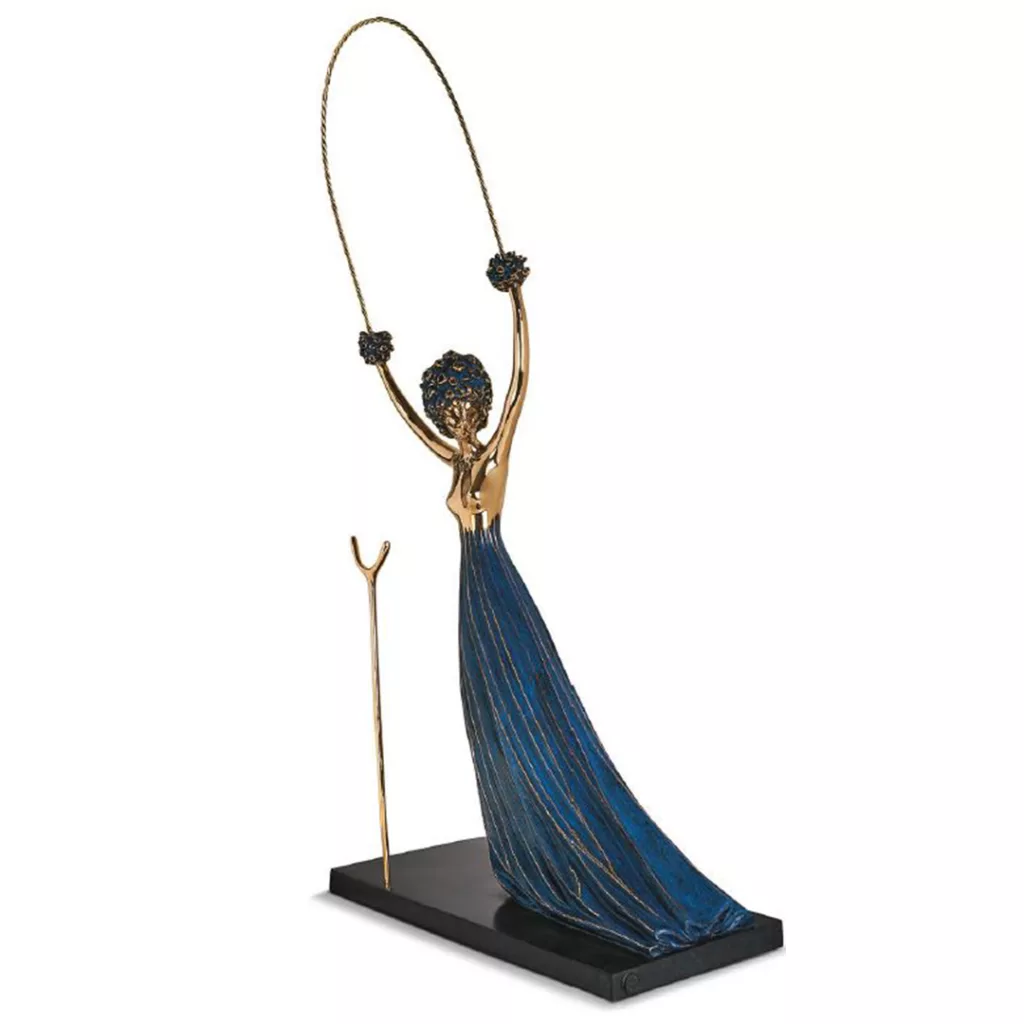
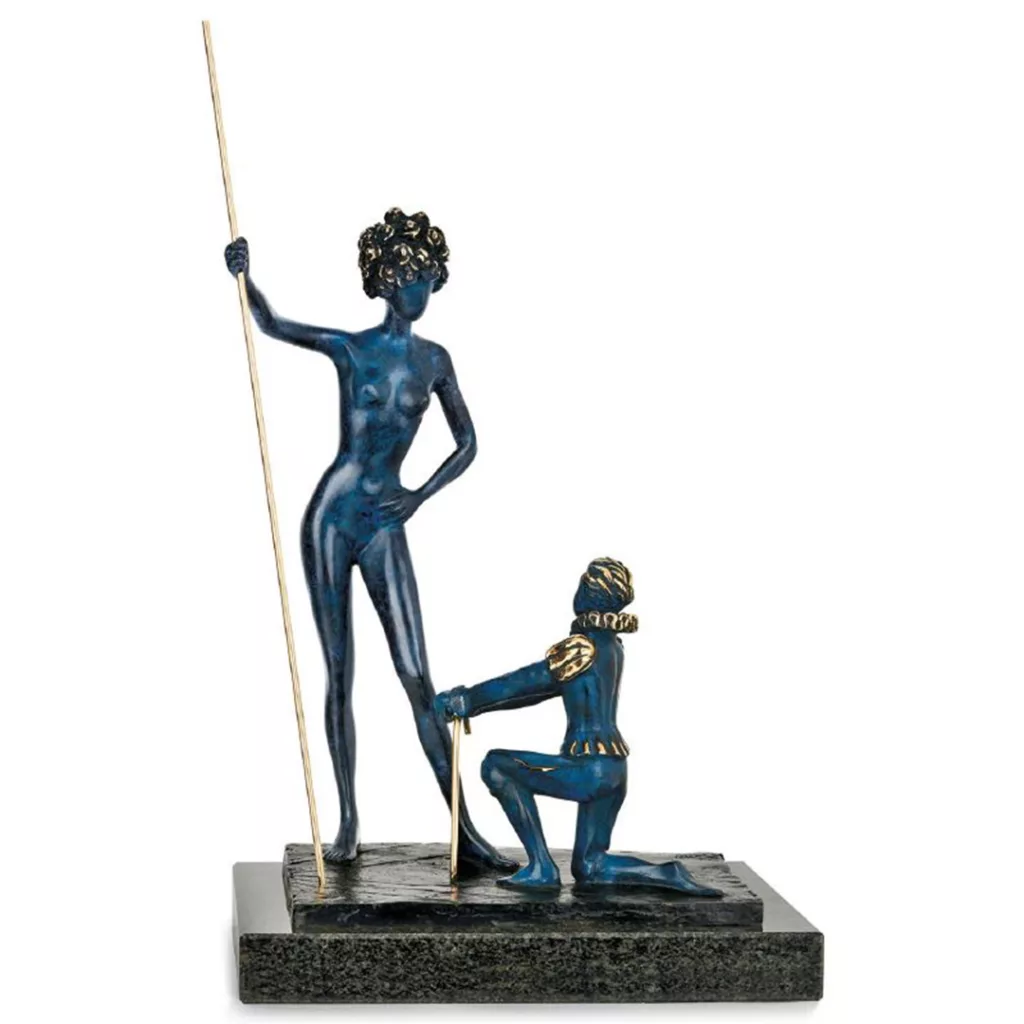
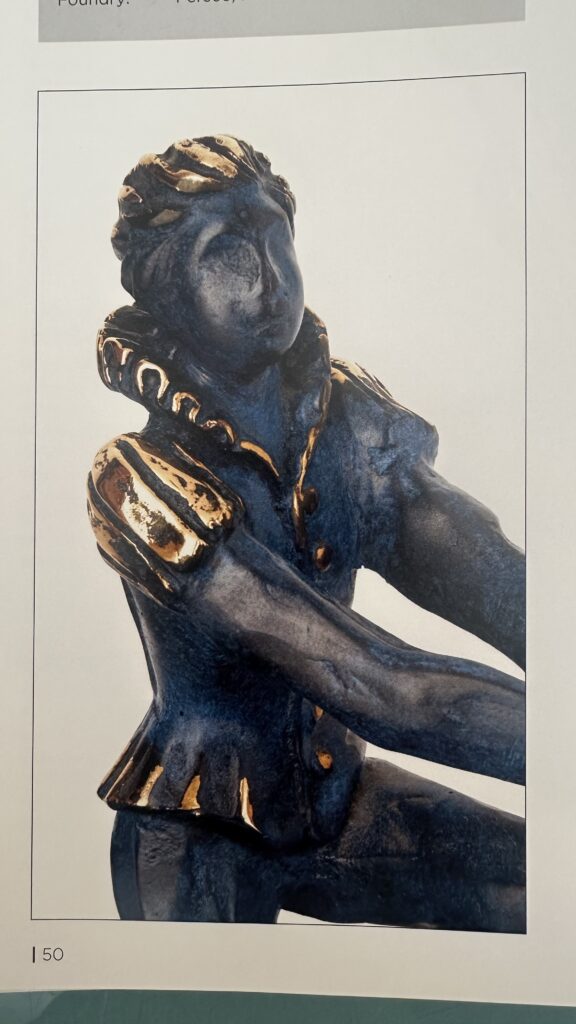
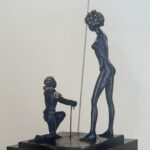
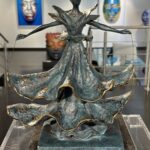
As a boy, Dalí loved dressing up, ‘disguise was one of my strongest passions as a child’. Dalí paid meticulous care to his appearance, from his slicked back hair to his impeccable moustache. Dalí’s relationship with the world of haute couture began in the 1930’s and lasted throughout his lifetime. In this sculpture, Dalí pays tribute to figures who influenced his art: Coco Chanel, Elsa Schiaparelli and model Amanda Lear. Schiaparelli was a regular collaborator, together they devised surrealist creations such as the Shoe Hat (1937) and the provocative Lobster Dress (1937) famously worn by Wallis Simpson, prior to her marriage to the Duke of Windsor.
This remarkable sensual Venus poses in the stance of a supermodel, her head a bouquet of roses. Before her kneels a courtier, a dandy paying homage to his muse. Both figures lean on a staff for support, the staff or crutch a reoccurring Dalinian symbol. The male child figure recalls Dalí’s 1934 painting The Ghost of Vermeer of Delft Which Can Be Used As a Table. The two artworks have striking similarities, identical kneeling position, the cane, the period costume; Dalí was a great admirer of the Dutch master Johannes Vermeer.
| Technique | bronze, lost-wax |
| Materials | Marble, Bronze |
| Dimensions | 51 cm |
| Condition | excellent |
| Signature | engraved |
| Foundry | Perseo (CH) |
| Edition Information | numbered on 350 |
| Reference | R. N. Descharnes Salvador Dalí Sculptures Objects. Eccart. Ref. 634, page 246. |

Delivery throughout France and internationally
Insurance included for your artworks
FRANCE – BELGIUM – NETHERLANDS – LUXEMBOURG
Salvador Felipe Jacinto Dalí y Doménech was born in 1904 in Figueras, Spain. A painter, sculptor, and author, he is considered one of the most distinctive representatives of surrealism and icons of the 20th century.
Influenced by Impressionism, he began his artistic training at the academy in Madrid. On the advice of Miro, he then left for Paris, where he joined the Surrealist group. There he met his future wife, Gala, his “surrealist muse” and the inspiration for his life and work.
Dalí found his unique style around 1929 when he invented the paranoiac-critical method. His works revolve around the themes of dreams, sexuality, his wife Gala, and religion.
The sculptures of Salvador Dalí
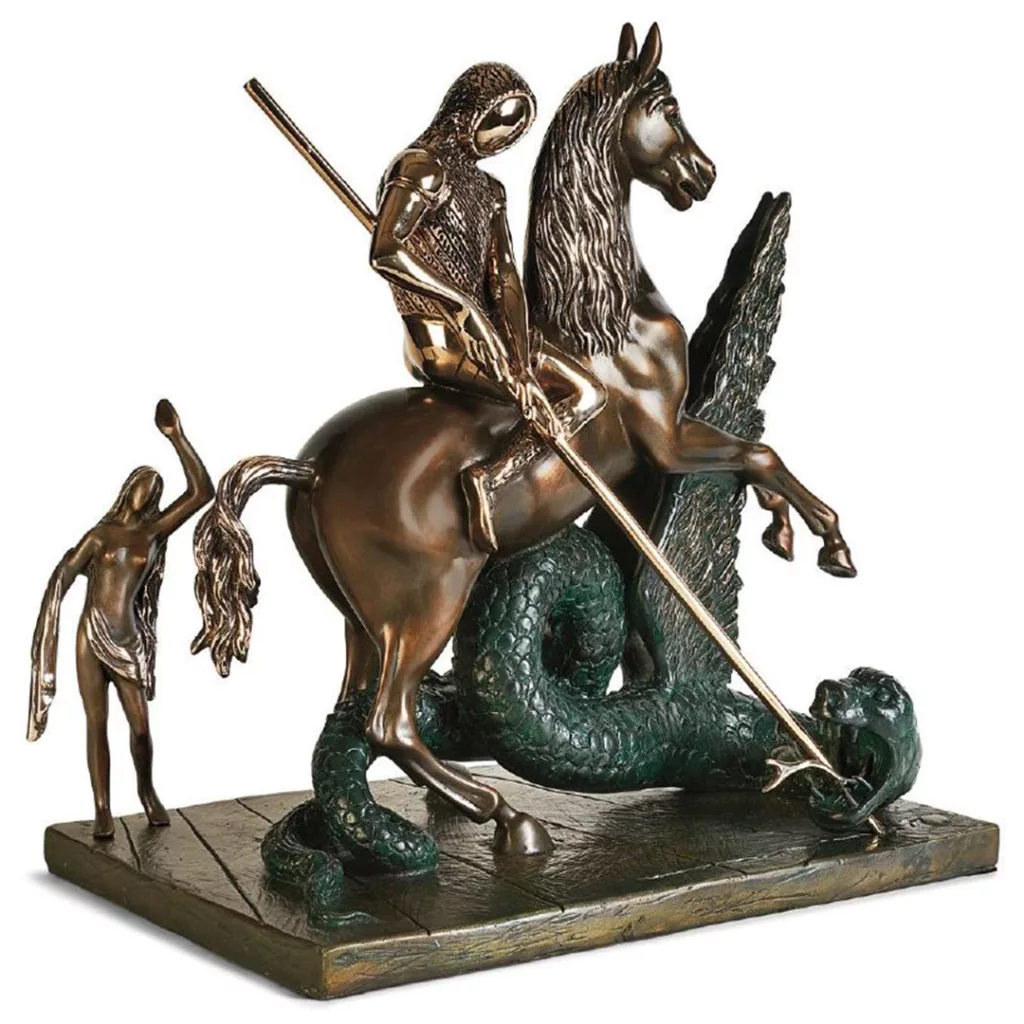
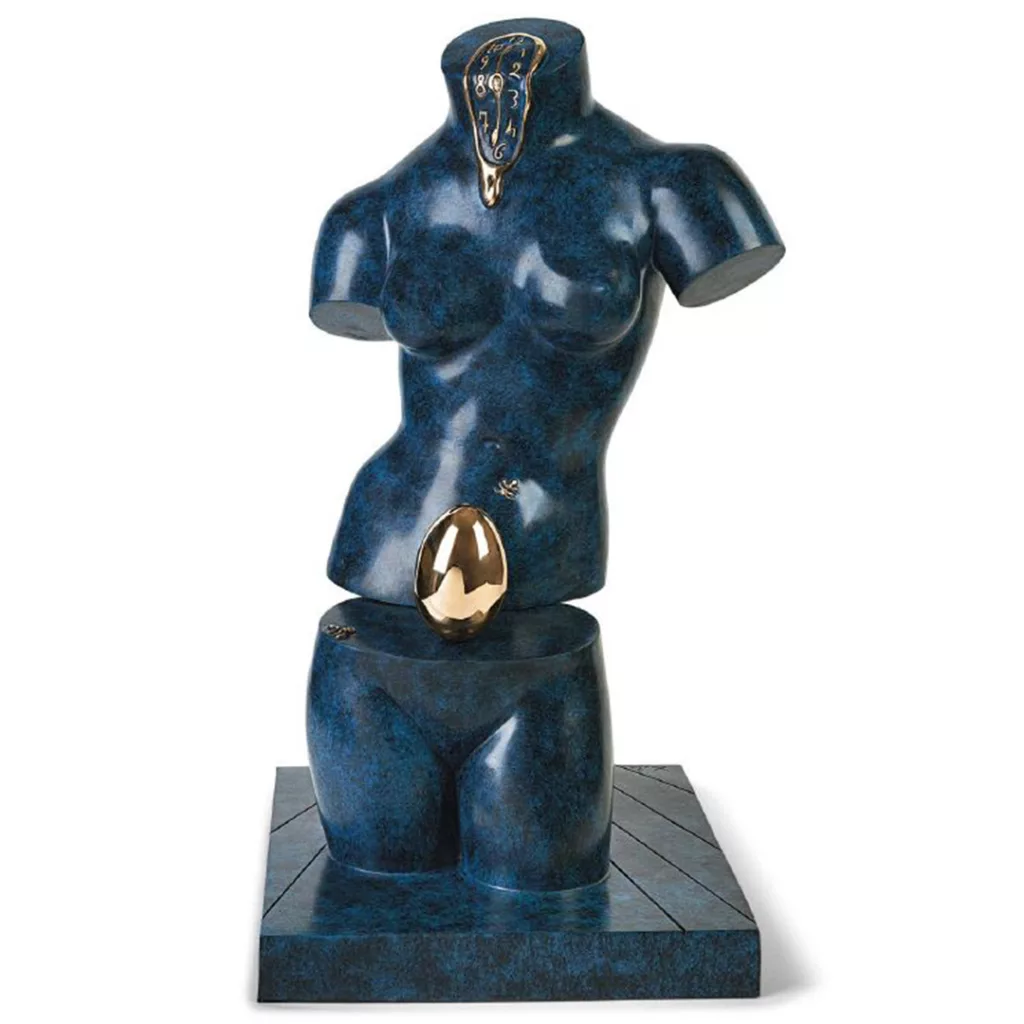
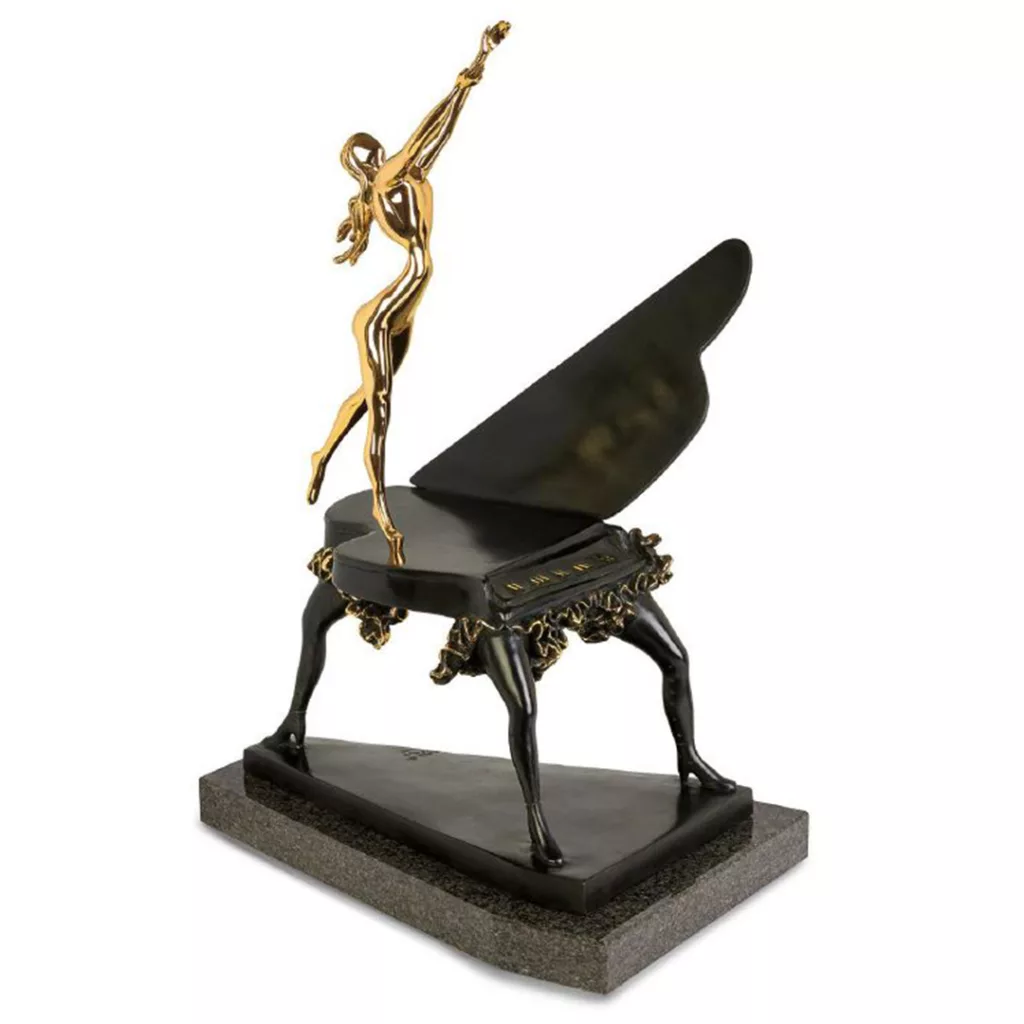
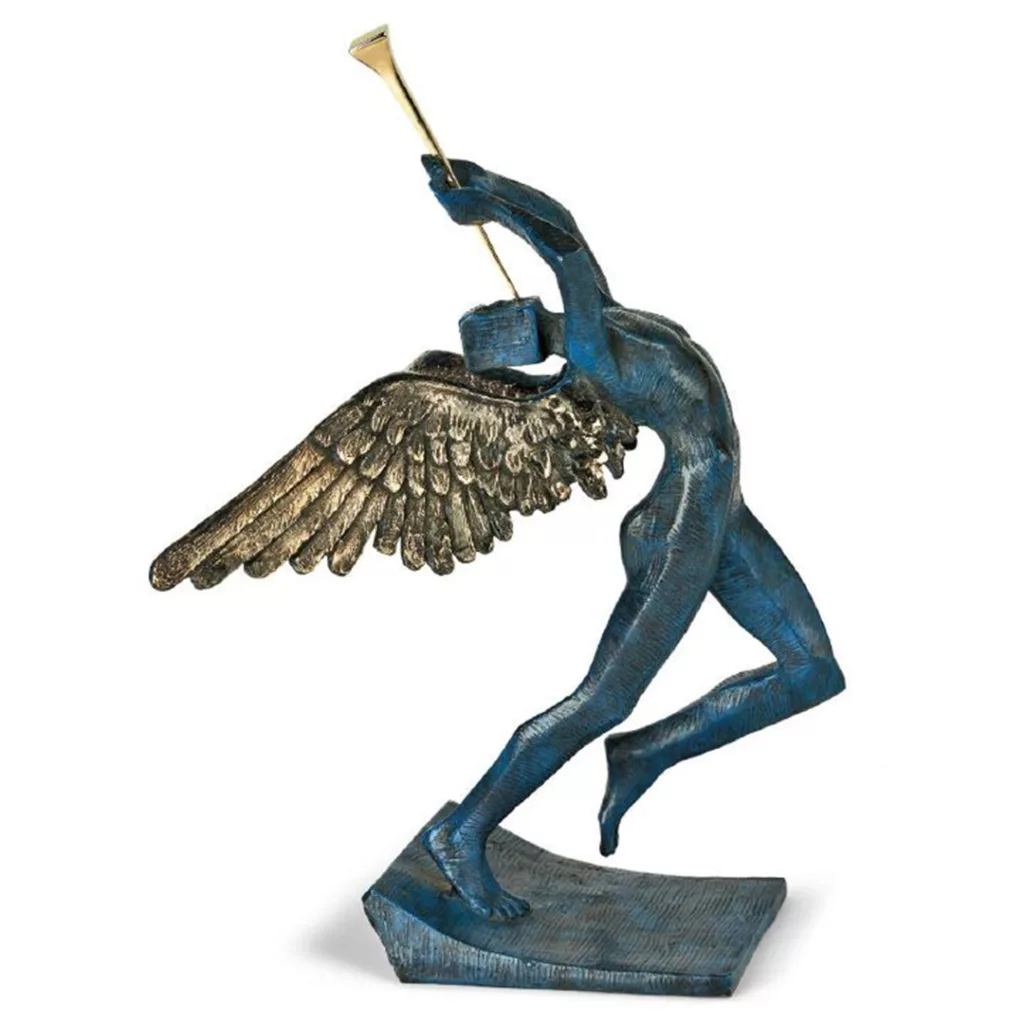
In the 1930s, Dalí began experimenting with three-dimensional art and sculpture. His desire was to translate the fetishes and obsessions of his unconscious into volume and solid matter. He thus recreated the major themes of his pictorial work in the form of sculptures. These sculptures were made using the lost wax technique, a process that allows for perfect precision in bronze modeling.
They represent a significant aspect of Dalí’s artistic creation and provide a synthesis of his interest in form. These bronze sculptures are effectively surrealism in the third dimension.
Galerie Montmartre since 2016, with a permanent representation in France and across international art fairs. The gallery handles international, door-to-door delivery with insurance.
Open Monday to Sunday, from 9:30am to 6:30pm