












The Galerie Montmartre
Open Monday to Sunday, from 9:30am to 6:30pm




Certificat d'authenticité avec l'oeuvre
Price on request
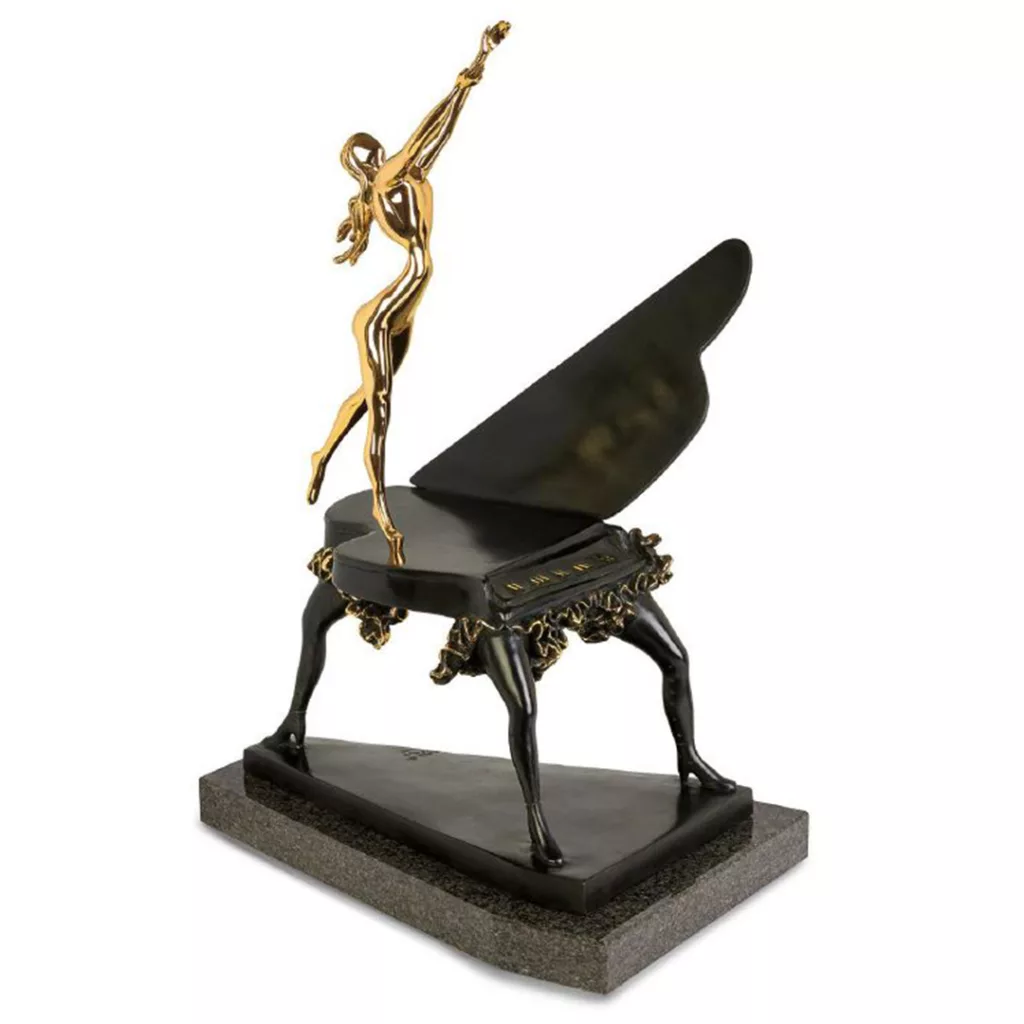
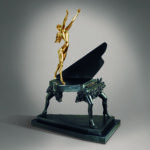
In this sculpture, Dalí transforms the image of a grand piano into a surreal dancing object. The traditional wooden legs of the piano are replaced with actual female legs, booted feet and skirted frills. By adding these unique, surprising features, Dalí transforms the mundane and inanimate into an animated object, typical of Dalí’s Surrealism. The result is a lively ensemble that can dance as well as play, which could only exist in Dalí’s surreal universe. Adding human characteristics to objects is typical of Dalí’s oeuvre; he explored this notion in particular with furniture and musical instruments.
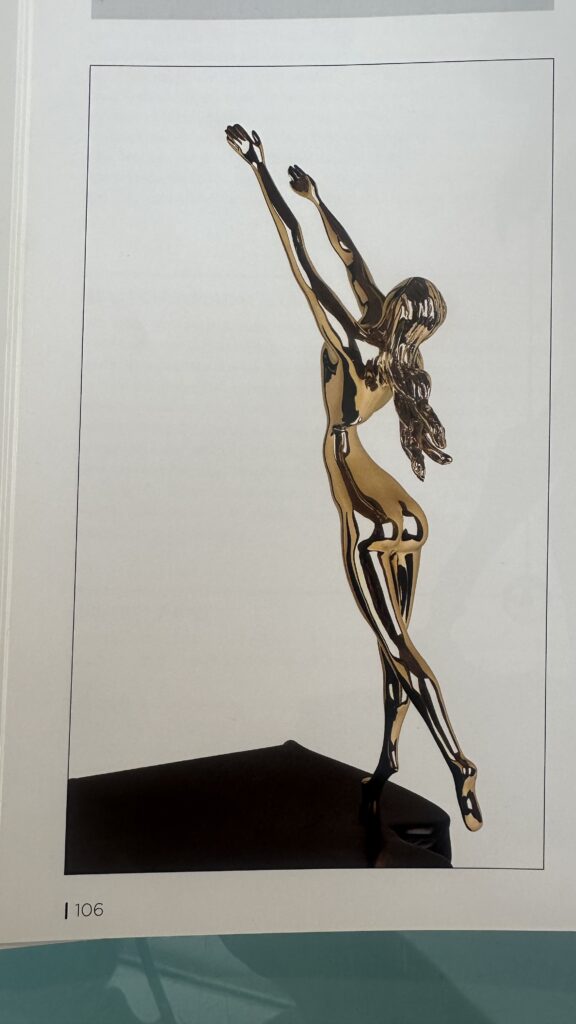
The addition of the golden female figure gives the sculpture an elegant and graceful dimension. Her ballet dancer pose suggests a classical performance which contradicts with the bawdy music hall dance implied by the piano’s frilled petticoats. Living in Paris during the Roaring Twenties, Dalí was influenced by the flourishing music and dance scene during this period.
Dalí used the image of the piano consistently over the years in several of his paintings and real life piano’s in several of his installations: a grand piano in the sea in Port Lligat, one hoisted from a tree in the garden of Caresse Crosby, his friend and patron at Hampton Manor, Virginia, USA. He also chose the figure of the piano joined with a female body as part of his installation Dream of Venus for New York’s World Fair in 1939.
| Technique | bronze, cire perdue |
| Materials | Marble, Wood, Bronze |
| Dimensions | 60 cm |
| Condition | excellent |
| Signature | gravée sur la base |
| Certificate | Certificate of authenticity avec l'oeuvre |
| Foundry | Perseo (CH) |
| Edition Information | numéroté sur 350 + 35 E.A. |
| Creation Information | conception en 1954 ; première fonte en 1984 |
| Reference | R. N. Descharnes Salvador Dalí Sculptures Objects. Eccart. Ref. 643, page 250. |

Delivery throughout France and internationally
Insurance included for your artworks
FRANCE – BELGIUM – NETHERLANDS – LUXEMBOURG
Salvador Felipe Jacinto Dalí y Doménech was born in 1904 in Figueras, Spain. A painter, sculptor, and author, he is considered one of the most distinctive representatives of surrealism and icons of the 20th century.
Influenced by Impressionism, he began his artistic training at the academy in Madrid. On the advice of Miro, he then left for Paris, where he joined the Surrealist group. There he met his future wife, Gala, his “surrealist muse” and the inspiration for his life and work.
Dalí found his unique style around 1929 when he invented the paranoiac-critical method. His works revolve around the themes of dreams, sexuality, his wife Gala, and religion.
The sculptures of Salvador Dalí
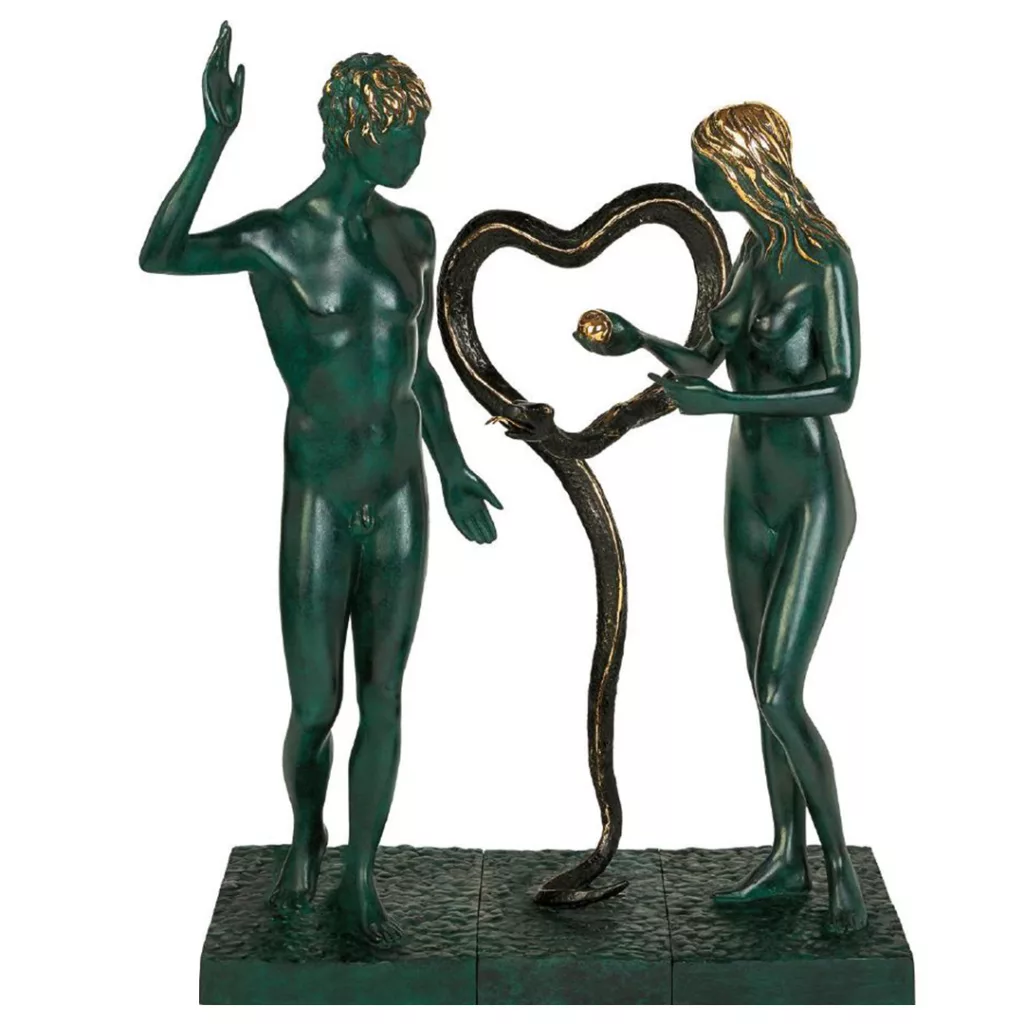
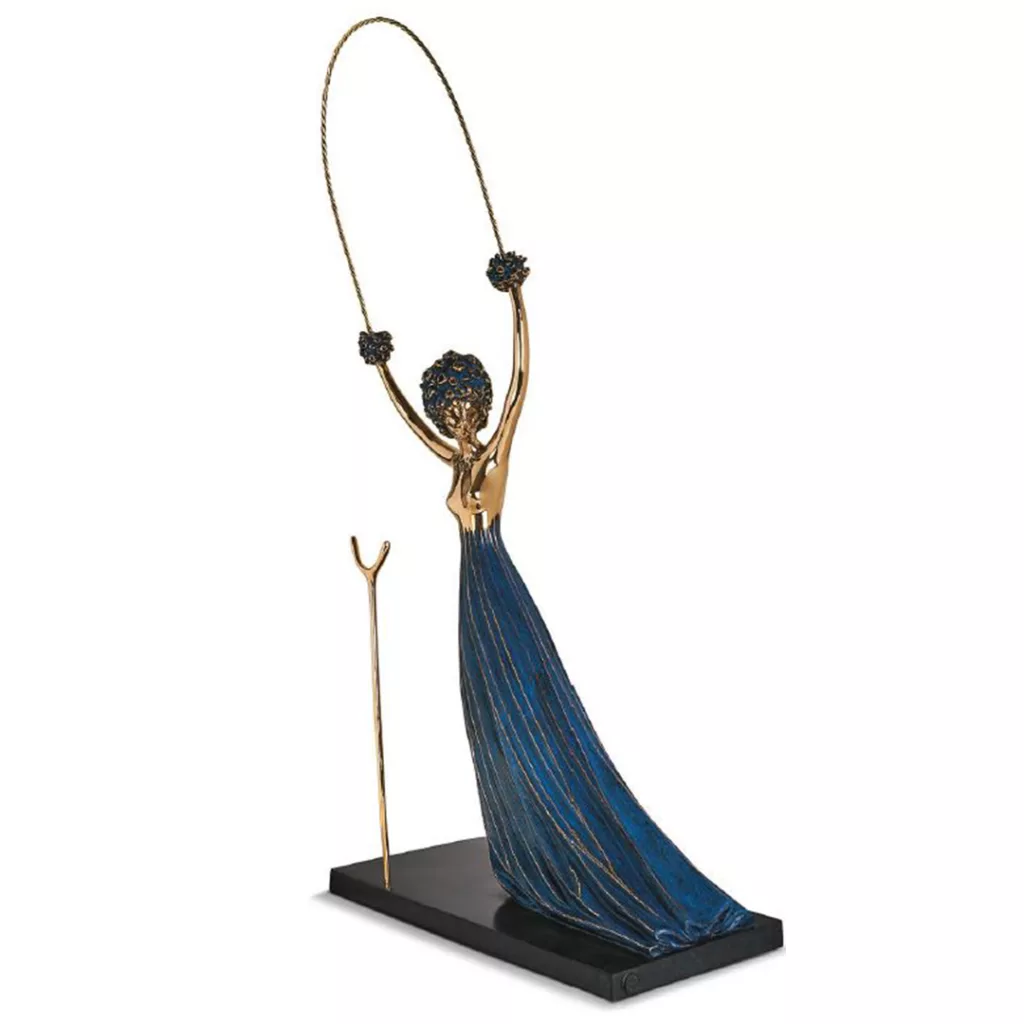
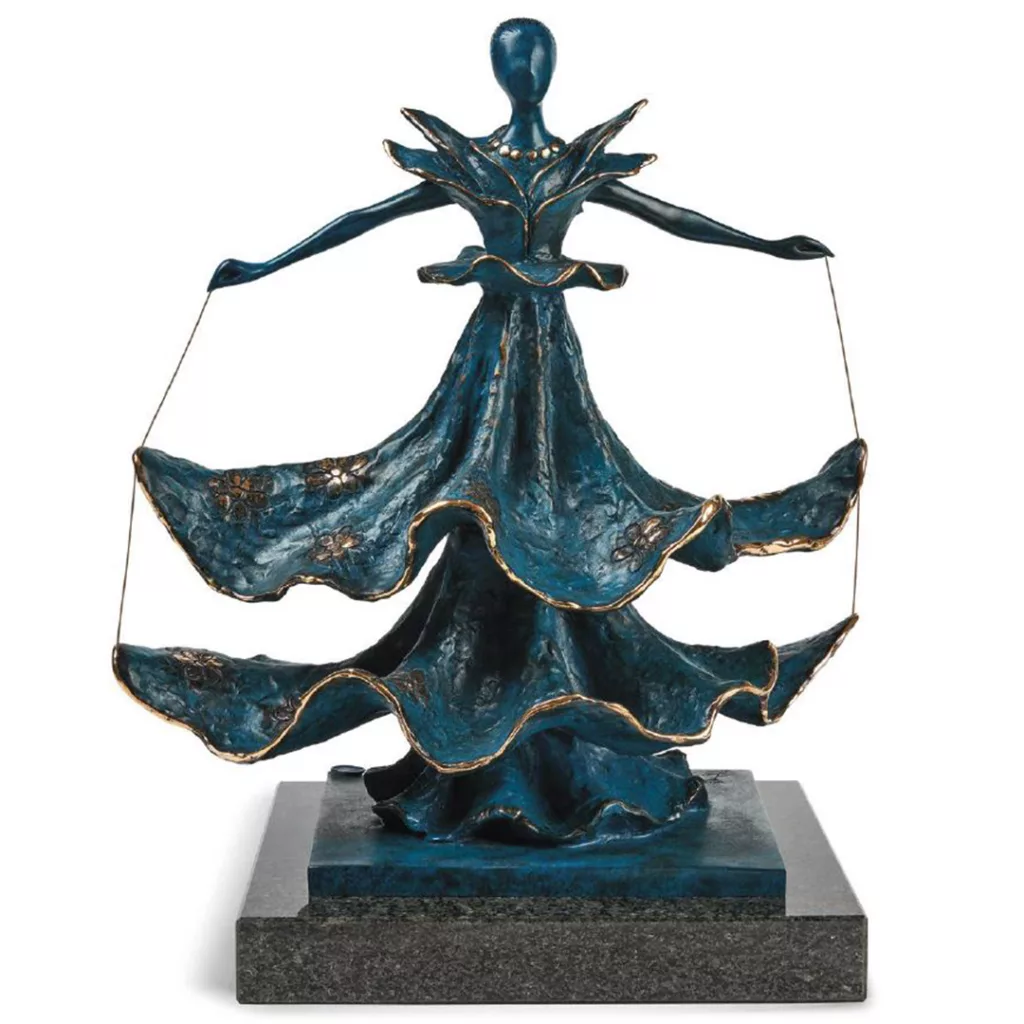
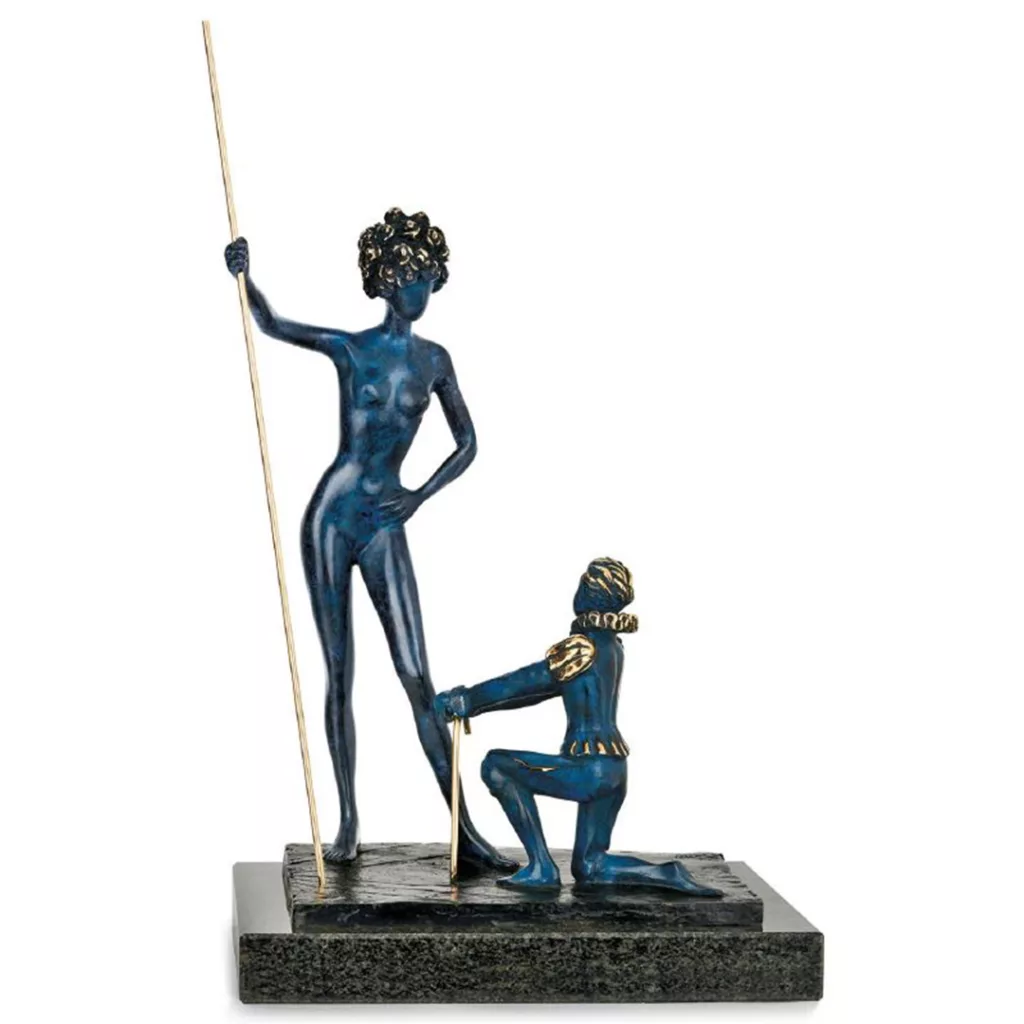
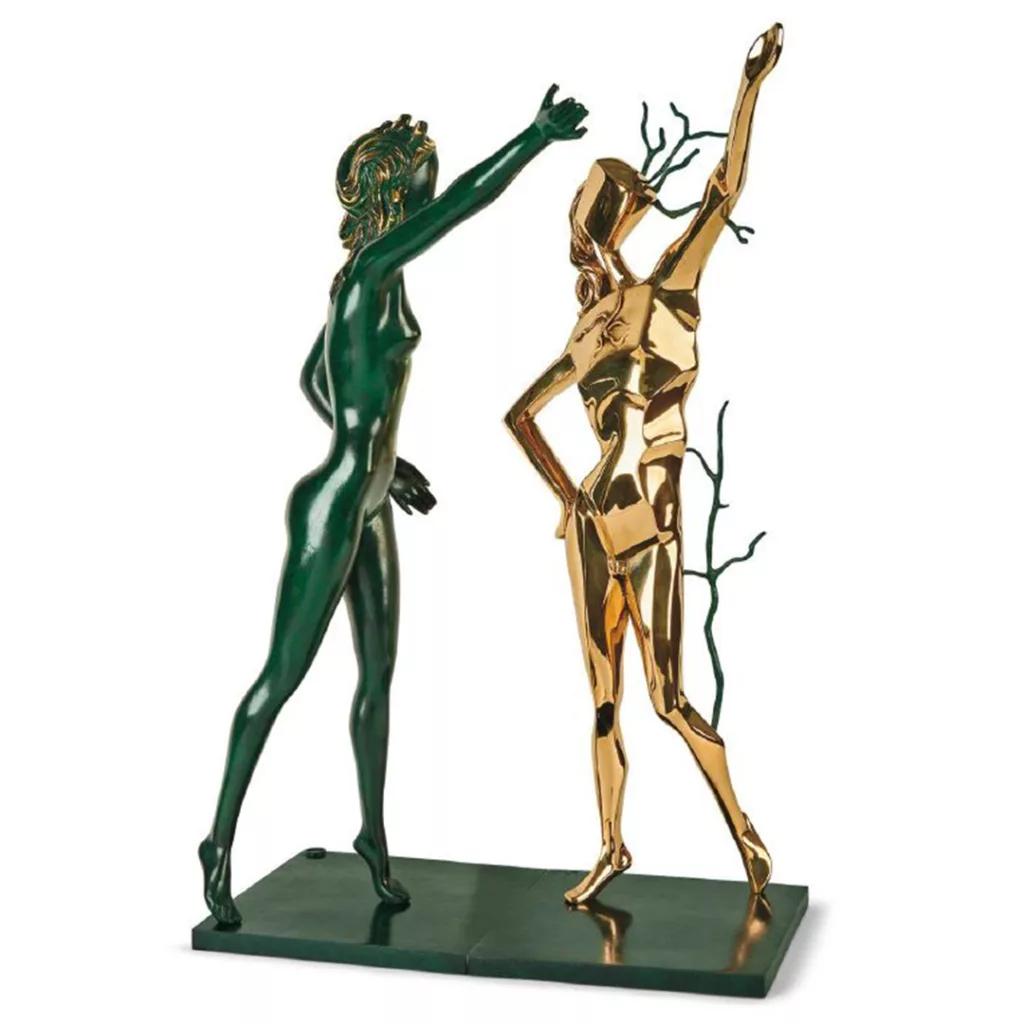
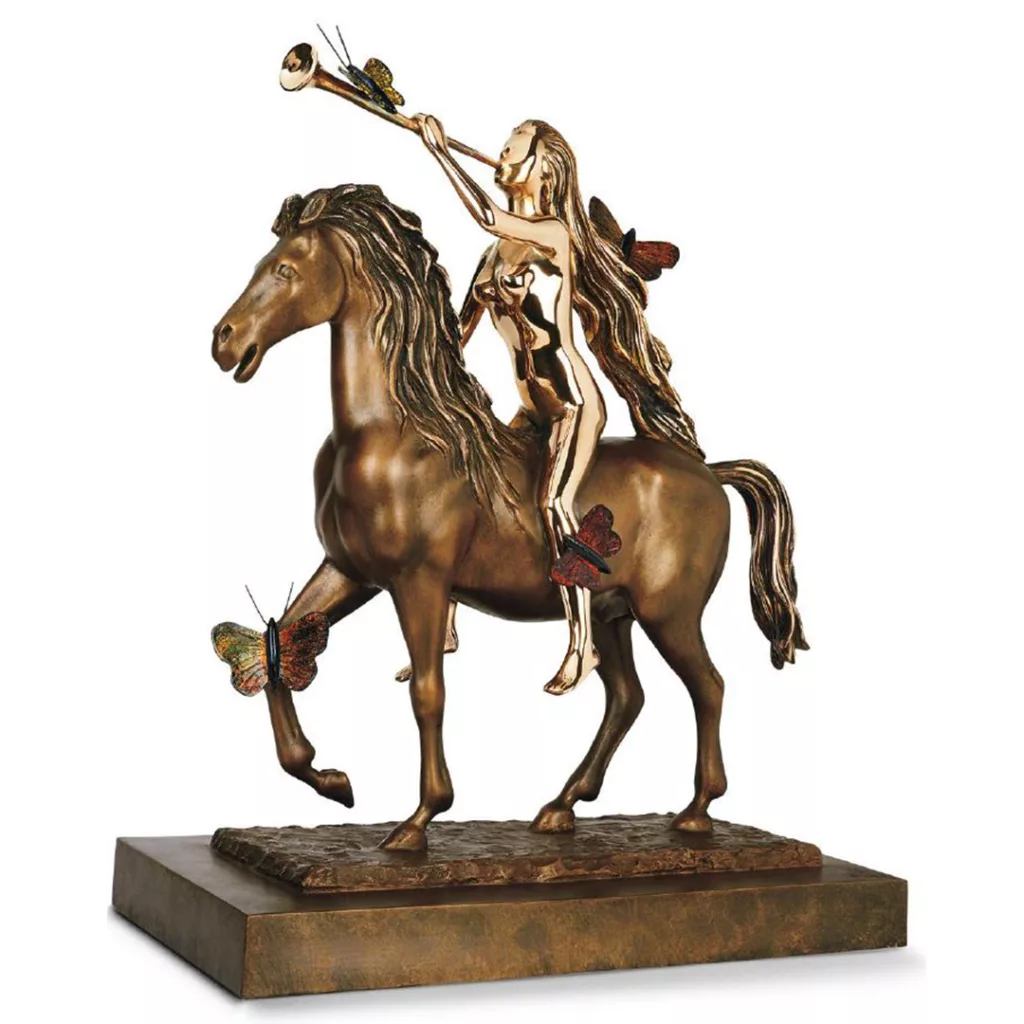
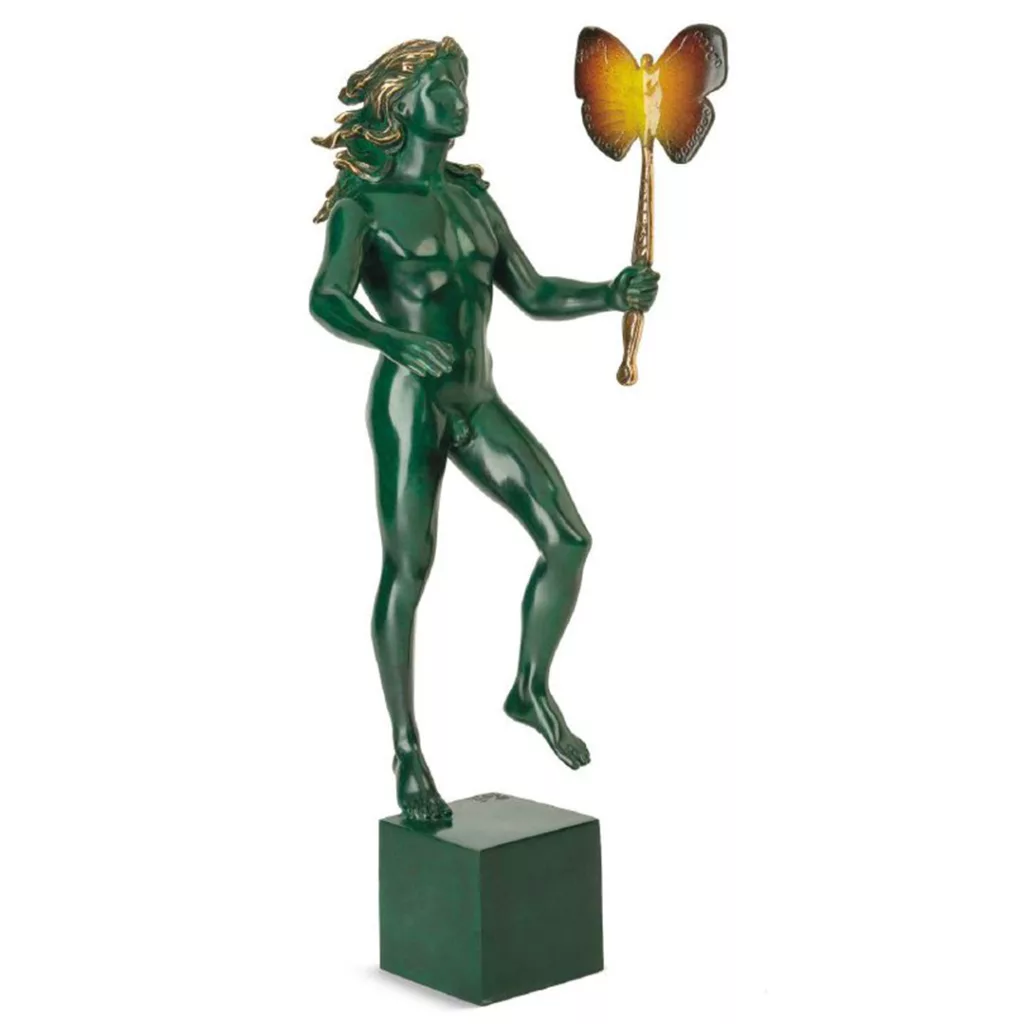
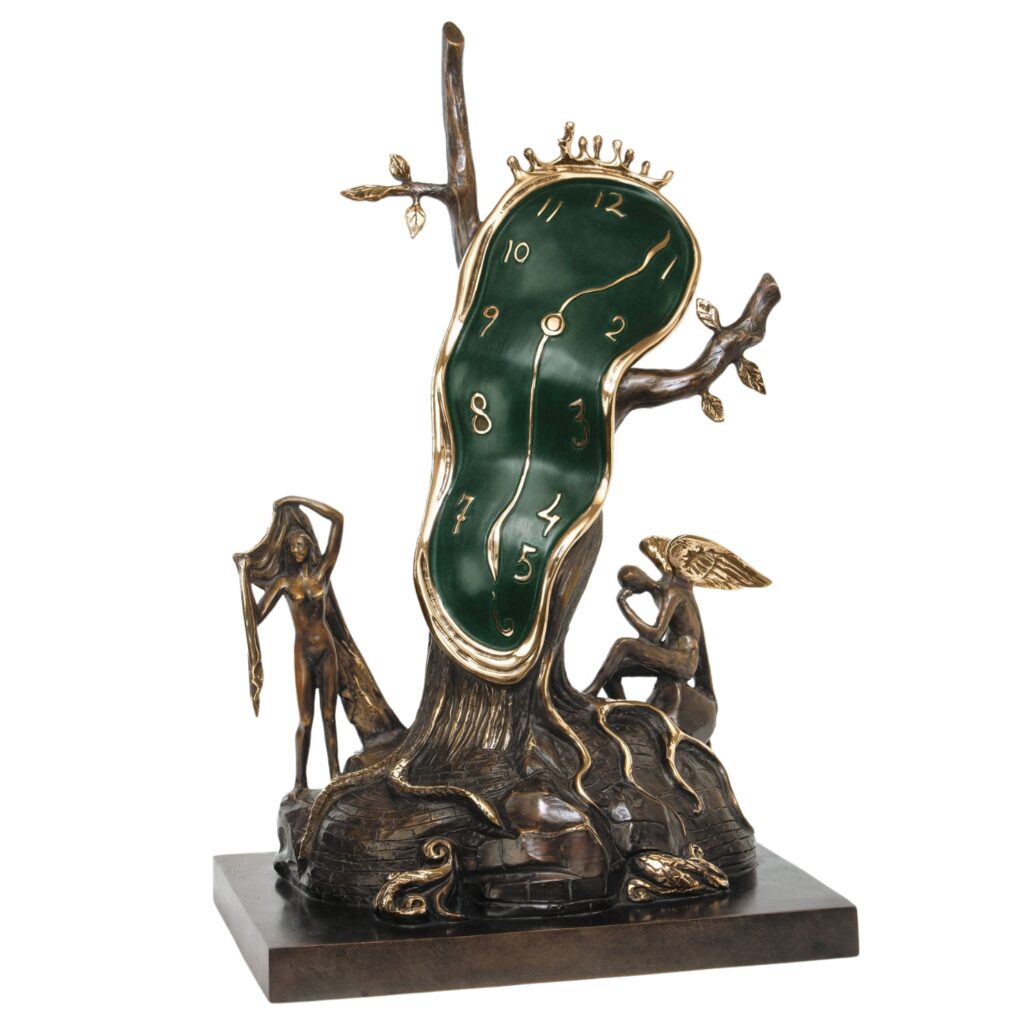
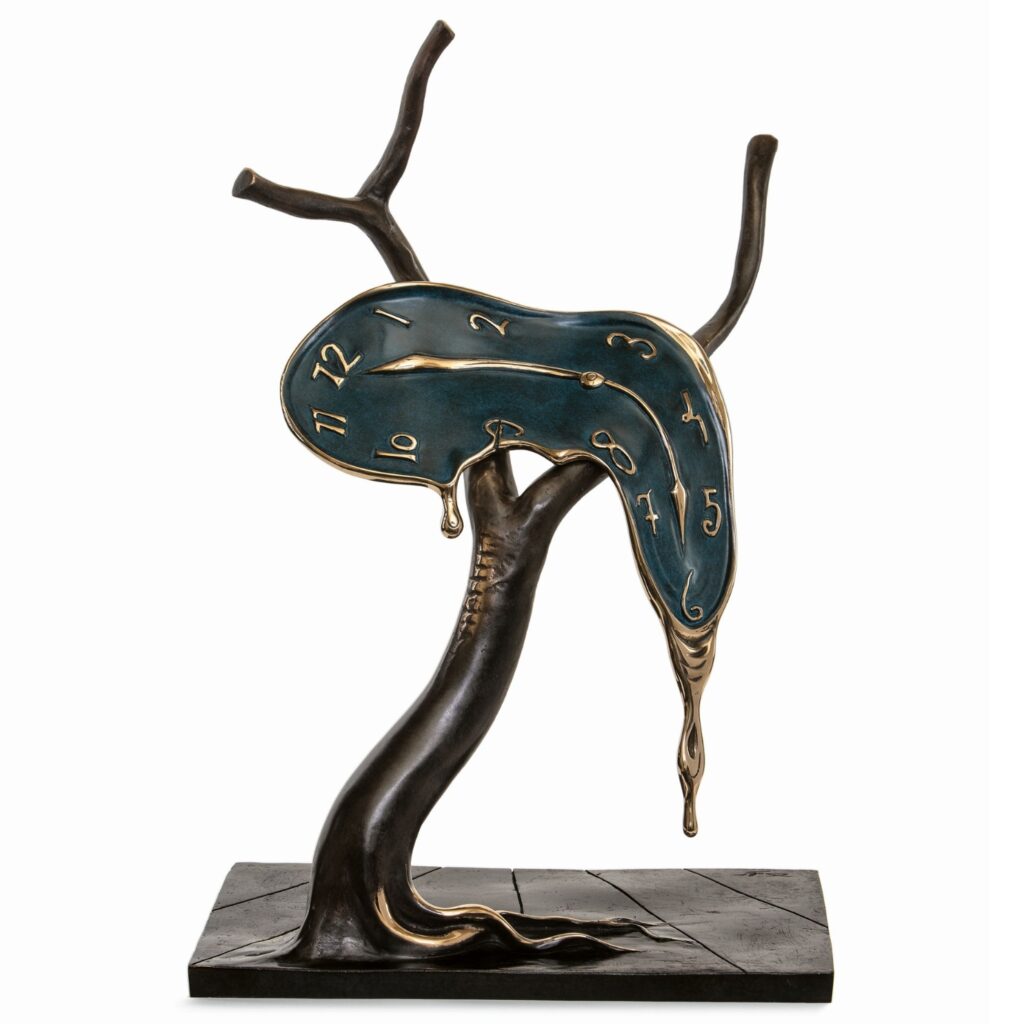
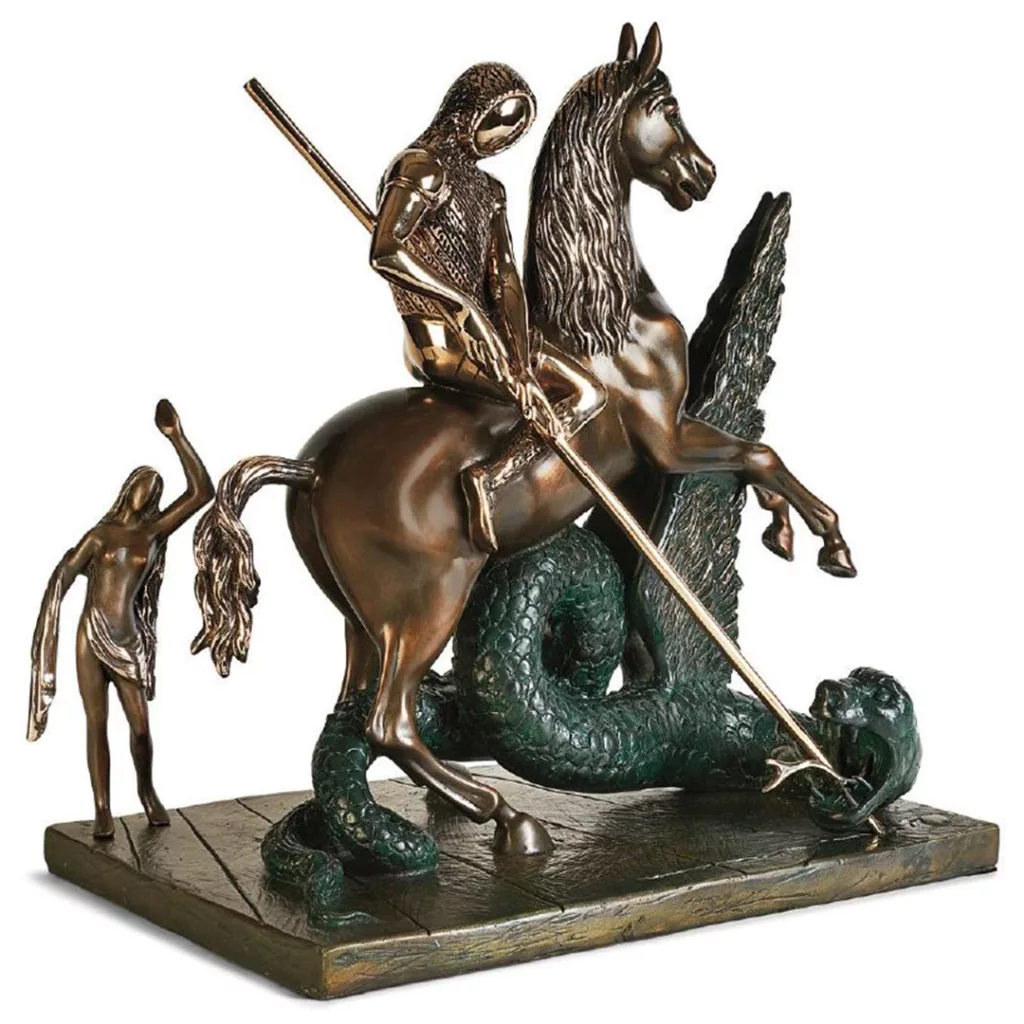
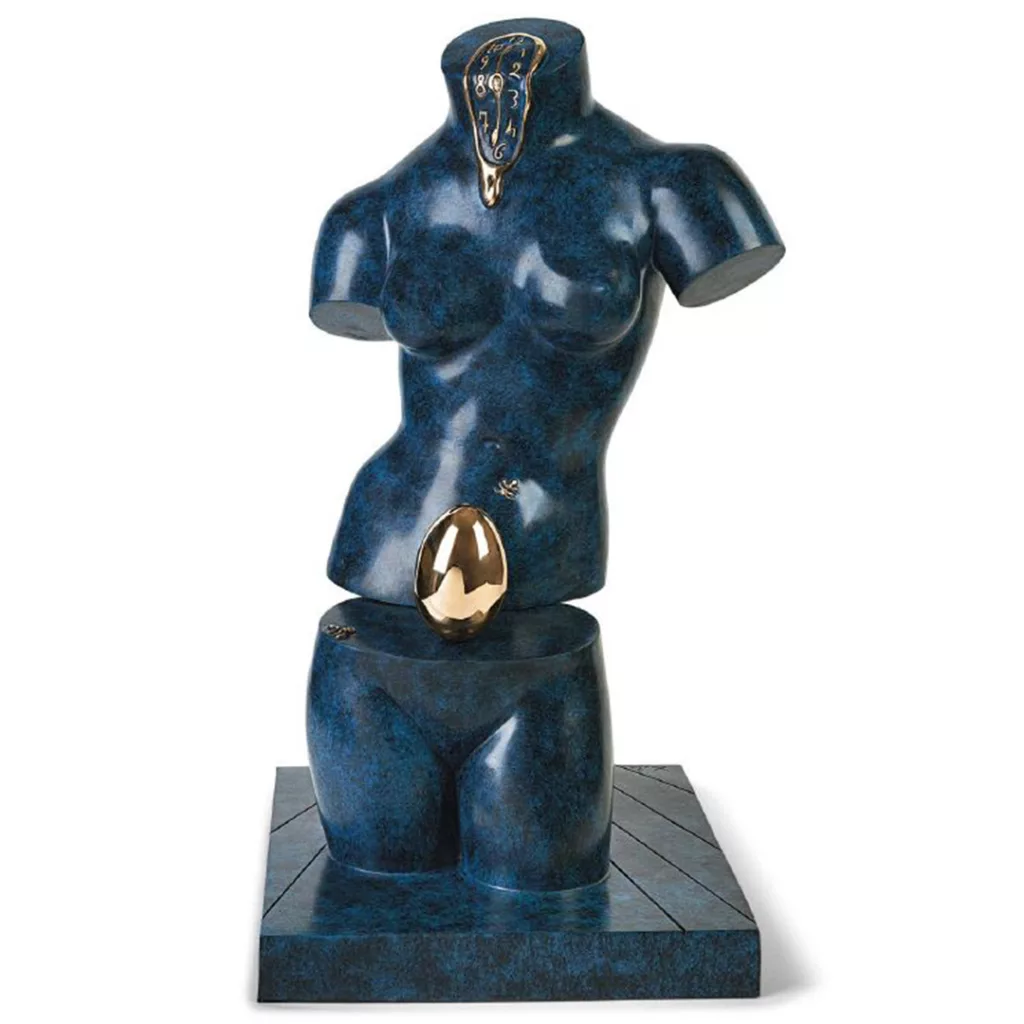
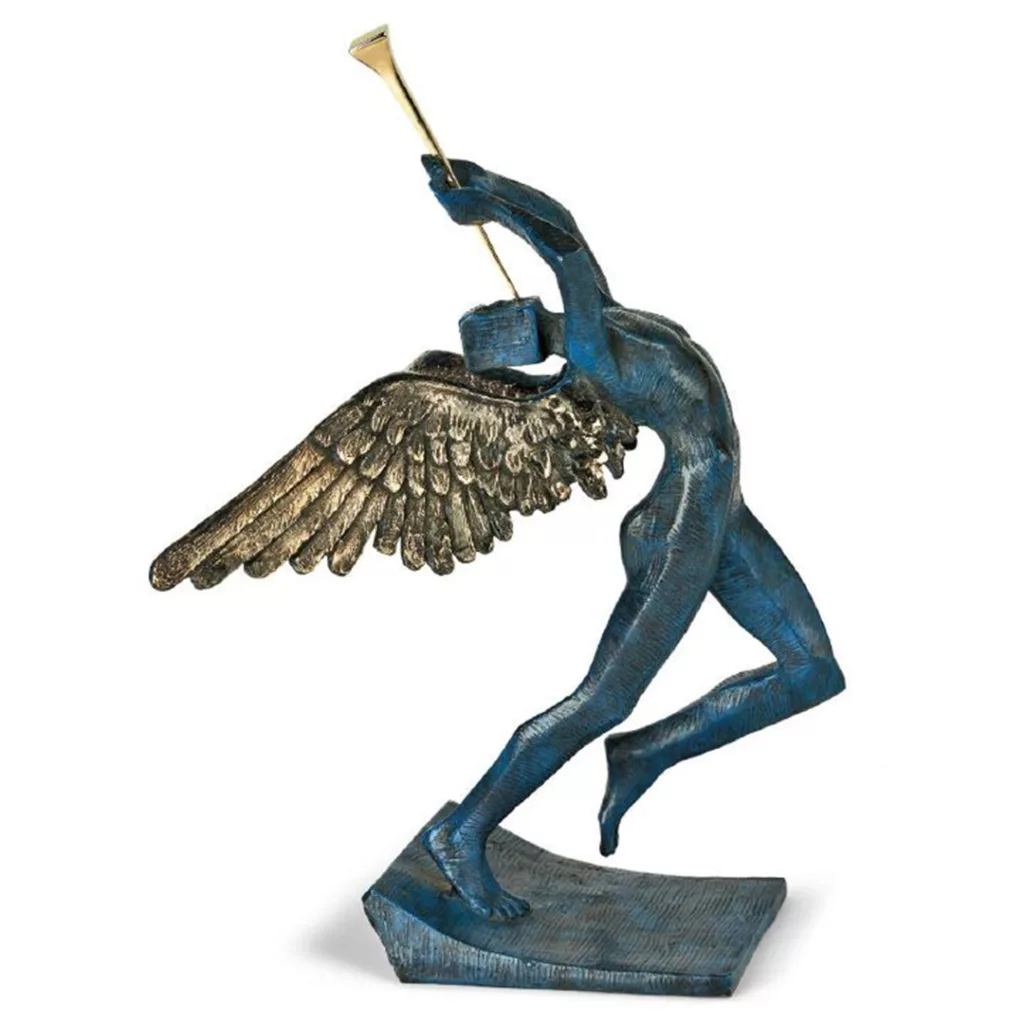
In the 1930s, Dalí began experimenting with three-dimensional art and sculpture. His desire was to translate the fetishes and obsessions of his unconscious into volume and solid matter. He thus recreated the major themes of his pictorial work in the form of sculptures. These sculptures were made using the lost wax technique, a process that allows for perfect precision in bronze modeling.
They represent a significant aspect of Dalí’s artistic creation and provide a synthesis of his interest in form. These bronze sculptures are effectively surrealism in the third dimension.
Galerie Montmartre since 2016, with a permanent representation in France and across international art fairs. The gallery handles international, door-to-door delivery with insurance.
Open Monday to Sunday, from 9:30am to 6:30pm